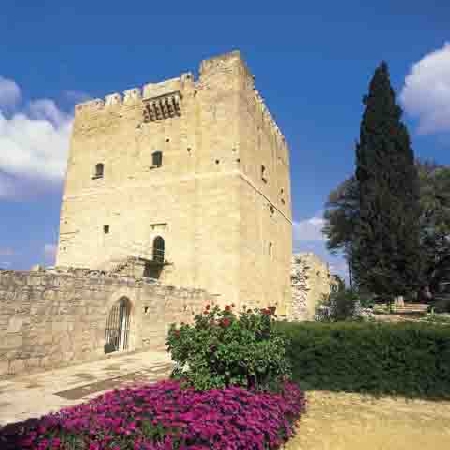
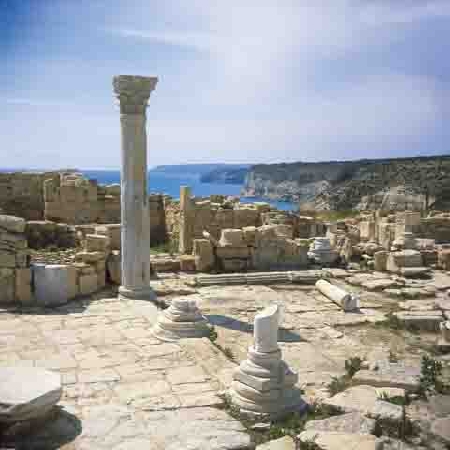
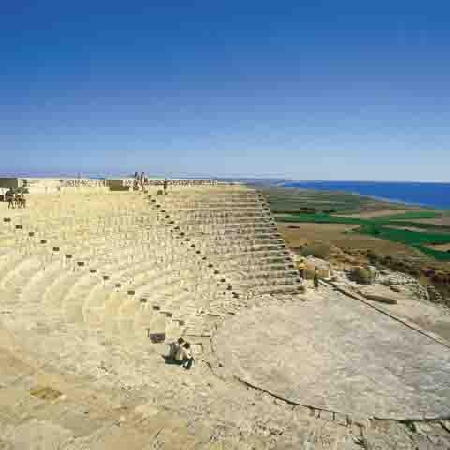
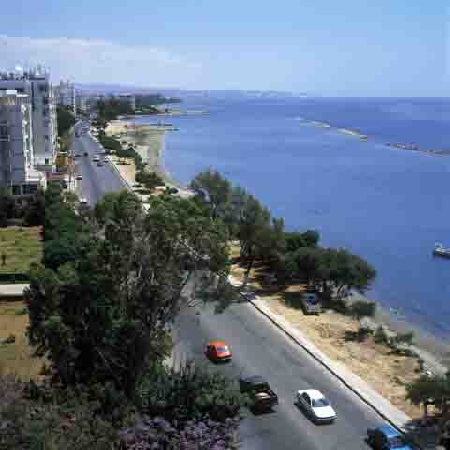
LIMASSOL, LIMASOL or LEMESOS, is Cyprus' second largest city, its main port and fastest growing metropolis - the result is a clash of the old and the new that often surprises but sometimes disappoints. Limassol has the island's most important historical sites, its most notable old buildings and some of its ugliest suburbs.
Limassol may be second to Nicosia in size but it does have the country's main port, a huge military base nearby and a vigorous tourist industry. The landscape around the city port is of rolling hills that slowly rise from the coastal area to the Troodos Massif in the north, a tamed wilderness and the highest point on the Island.
The Climate Guide for Limassol shows historical weather averages for each month of the year. This includes max/min temperatures, monthly rainfall, number of days with rain/frost, daily hours of sunshine & daylight, heat & humidity, UV index for sun protection and sea temperature. This gives the best indication of what to expect from the weather on holiday in Limassol.
Limassol ( Lemesós, bzw., früher Limisso ; in der Antike Neapolis, Theodosias, Theodosiana und später Nemesos) ist eine Hafenstadt im Süden der Mittelmeerinsel Zypern mit 210. 500 Einwohnern (Stand 31. Dezember 2004) und Hauptort des gleichnamigen Bezirkes.
Limassol ist zweitgrößte Stadt der Insel und liegt an deren Südküste in der Bucht von Akrotiri nördlich der Halbinsel Akrotiri.
Limassol hat seit der Teilung der Insel im Jahre 1974 eine rasche wirtschaftliche Entwicklung vollzogen und ist heute ein bedeutendes Finanzzentrum, in dem viele Offshore-Unternehmen ansässig sind.
Limassol ist Sitz der Technischen Universität Zypern.
Description above from the Wikipedia, licensed under CC-BY-SA full list of contributors
here.